

India
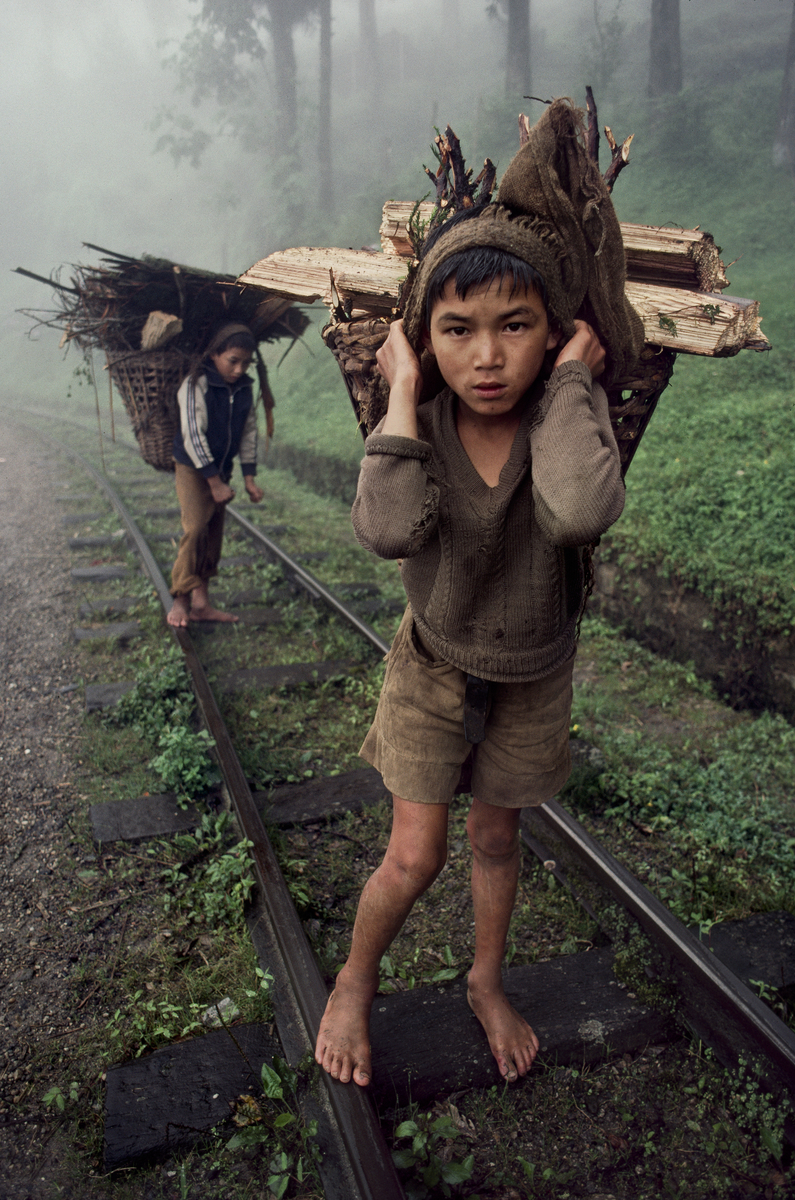
For the past three decades as I traveled the world on assignment I
have witnessed children working in fields, factories, ditches, tunnels,
mines, and ship-breaking yards.
have witnessed children working in fields, factories, ditches, tunnels,
mines, and ship-breaking yards.

Kabul, Afghanistan
The scope of the problem is vast.
Hundreds of millions of children spend their
childhood working and do not have an opportunity to
play, go to school, or live in a healthy environment.
Hundreds of millions of children spend their
childhood working and do not have an opportunity to
play, go to school, or live in a healthy environment.

India

India
Child labor and poverty are inevitably bound together,
and if you continue to use the labor of children as the treatment for the social disease of poverty,
you will have both poverty and child labor to the end of time.
- Grace Abbott
and if you continue to use the labor of children as the treatment for the social disease of poverty,
you will have both poverty and child labor to the end of time.
- Grace Abbott

Yemen

India
Every gun that is made, every warship launched, every rocket fired signifies is,
in the final sense, a theft from those who hunger and are not fed, those who are
cold and are not clothed. This world in arms is not spending money alone.
It is spending the sweat of its laborers, the genius of its scientists, the hopes of its children.
– Dwight David Eisenhower
in the final sense, a theft from those who hunger and are not fed, those who are
cold and are not clothed. This world in arms is not spending money alone.
It is spending the sweat of its laborers, the genius of its scientists, the hopes of its children.
– Dwight David Eisenhower
 Philippines
 Afghanistan

Nepal
The object of employing children is not to train them,
but to get high profits from their work.
- Lewis Hine, 1908
but to get high profits from their work.
- Lewis Hine, 1908
 Mali
Woman and her slave

Burma
There is no trust more sacred than the one the world holds with children.
There is no duty more important than ensuring that their rights are respected,
that their welfare is protected, that their lives are free from fear and want
and that they can grow up in peace.
- Kofi Annan
There is no duty more important than ensuring that their rights are respected,
that their welfare is protected, that their lives are free from fear and want
and that they can grow up in peace.
- Kofi Annan
 Mali

Niger
Amid attempts to protect elephants from ivory poachers and dolphins from tuna nets,
the rights of children go remarkably unremarked.
- Anna Quindlen
the rights of children go remarkably unremarked.
- Anna Quindlen
 Tibet
 India
 Burma
 Kabul, Afghanistan
 Nepal
The real solution is to improve the incomes of the poor and
provide their children with decent education.
- Carol Bellamy
provide their children with decent education.
- Carol Bellamy
 India
Child labour must not become the nation’s social safety net.
- Kailash Satyarthi
- Kailash Satyarthi
Bangladesh
There is no room for complacency when 215 million children are still labouring to survive and
more than half of these are exposed to the worst forms of child labour, including slavery and
involvement in armed conflict. We cannot allow the eradication of child labour
to slip down the development agenda — all countries should be striving to
achieve this target, individually and collectively.
- Juan Somavia
 Afghanistan
 Kandahar, Afghanistan


